

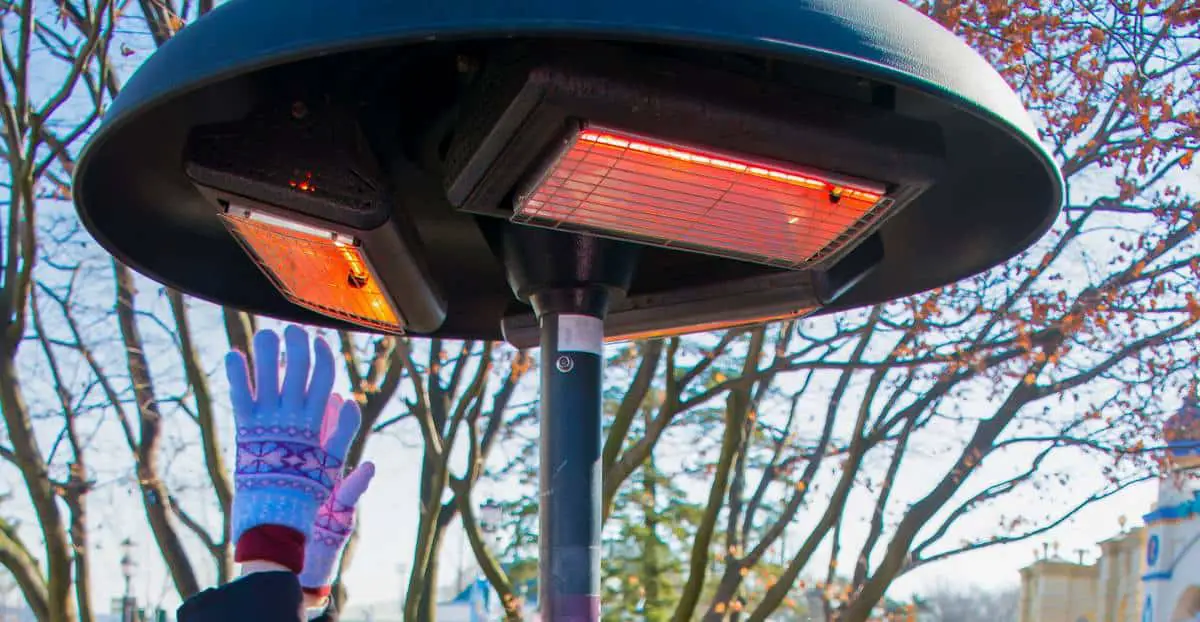
The 6 Things You Need to be Conscious of with Patio Heaters
-
- <li “=”” strongspan=”” style=”font-size: 21px;” combustibles=”” span=”” strong=”” lili=””>
-
- <li “=”” span=”” style=”font-size: 21px;” strongventilation=”” strong=”” lilispanstronggas=”” leaks=”” spanspan=”” spanbr=”” lili=””>
Frequently Asked Questions
How much clearance does a patio heater need?
Keep at least 3 feet of clearance on every side and 2 to 3 feet of overhead space around a freestanding patio heater, well away from walls, railings, furniture, and anything flammable. Always follow the exact clearance listed in your model’s manual.
Can you use a patio heater indoors or in a garage?
No. Never run a propane or natural gas patio heater indoors, in a garage, or in any enclosed space, because they give off carbon monoxide and need open-air ventilation. Only heaters specifically rated for enclosed areas should be used inside.
Are patio heaters safe to use in the wind?
Not very. Strong wind can blow out a propane flame and let gas escape, or tip a tall heater over. Shut heaters off in gusty conditions and choose models with a tip-over auto-shutoff and a weighted, anti-tilt base.
Is it safe to leave a patio heater running unattended?
No. Never leave a lit patio heater unattended or on overnight, and keep children and pets away from the hot reflector and top. Turn it off and let it cool fully before covering or storing it.
Is it safe to use a patio heater under a covered patio?
Electric infrared heaters are generally safe under a covered patio as long as you keep the manufacturer’s overhead clearance. Propane and gas heaters need much more overhead space and good airflow, and should never be used in an enclosed area.
Will Montgomery brings an engineer’s eye and hands-on experience with patio heaters to these safety tips, focusing on the clearances, fuel handling, and placement mistakes that actually cause problems — so you can run yours with confidence.