

Affiliate disclosure: Outdoor Space Accents earns from qualifying purchases made through links on this page.
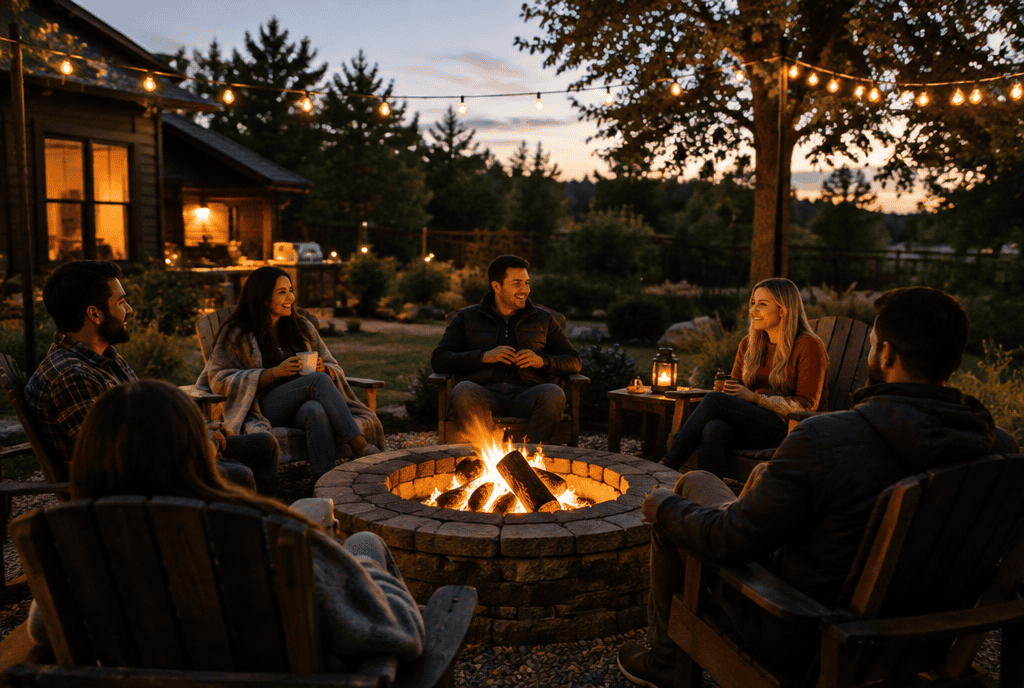
Quick answer: a fire pit is an outdoor fireplace, bowl, or table burning wood, propane, or natural gas, used for warmth, cooking, and ambiance. If you want zero cleanup and instant on/off, get propane. If you want real flames, crackle, and campfire smell, get wood — just check your local clearance and code rules first.
This is the hub for everything we cover on fire pits: fuel types, sizing, safety, materials, and the specific situations — renting, small yards, smoke-sensitive neighbors — that change which fire pit is actually right for you. Bookmark this page; every spoke article on the site links back here.
Last Updated: September 2026 | Will Montgomery is an electro-mechanical engineer and business owner. His machine-design background is in heat, materials, and clearances — the same factors that decide whether a fire pit is safe on your surface and whether a $300 pit is built better than a $900 one. He has set up wood and propane pits across two backyards, and his job at home is keeping the price down without buying junk. More on the About page.
Fire Pit Fuel Types: Wood vs. Propane vs. Natural Gas
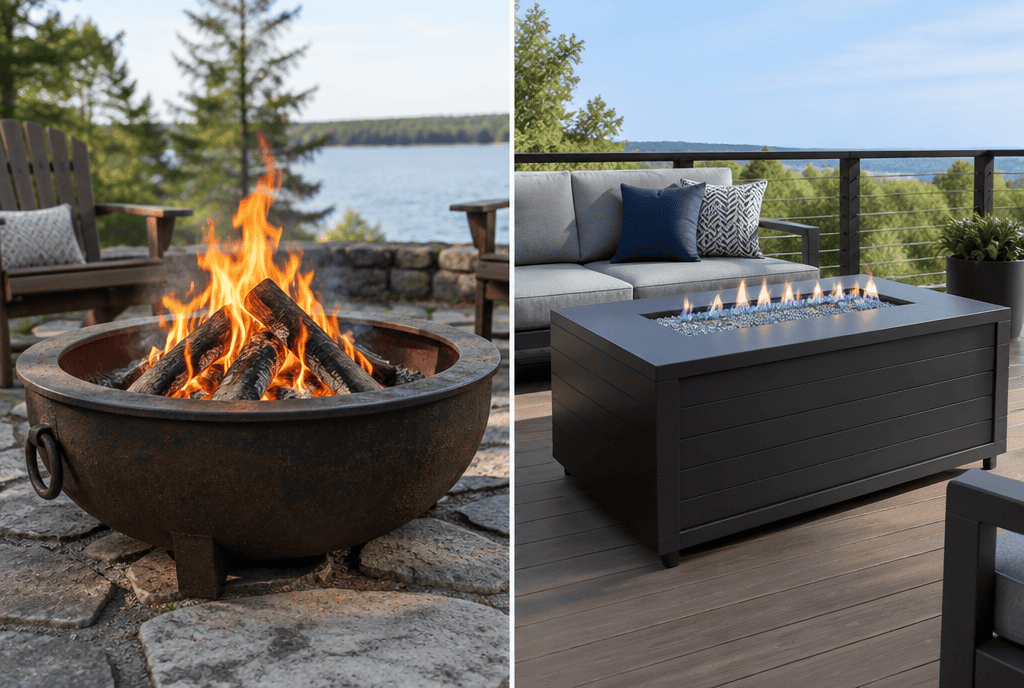
Fuel type is the single biggest decision you’ll make, and it drives almost everything else — cost, cleanup, where you’re allowed to put it, and how it actually feels to sit around.
- Wood-burning gives you real flame, crackling sound, and that campfire smell, at the lowest upfront cost. The tradeoffs: smoke (which can violate local burn bans or annoy neighbors), ash cleanup, and the most restrictive placement rules in most cities.
- Propane lights instantly, produces no smoke or ash, and is the easiest fuel type to get approved in HOAs and rental situations. You’re trading the authentic wood-fire feel for pure convenience, and you’ll need to budget for tank refills or exchanges.
- Natural gas hooks into your home’s existing gas line for unlimited runtime with no tanks to manage, but it requires a professional line installation and means the fire pit is permanently fixed in place.
For a full side-by-side on cost, smoke, and control, see our gas vs. wood fire pit comparison, and if you already have a natural gas line, check whether your propane fire pit can be converted to run on it.
Fire Pit Styles: In-Ground, Above-Ground, Portable, Bowls & Tables
Beyond fuel, fire pits come in a handful of physical formats. In-ground pits are built into the landscape (usually lined with brick or stone) and read as permanent hardscaping. Above-ground pits sit on your existing patio or deck and are far more common for the average homeowner. Portable pits — lightweight, often under 20 lbs — are built for balconies, camping, and small patios where permanence isn’t the goal. Fire pit tables blend the fire feature with usable table surface, making them the most furniture-like option; see our fire pit table buying guide and fire pit table vs. standalone comparison if that format appeals to you.
Fire Pit Materials: Steel, Cast Iron, Copper, Concrete & Stone Compared
Material affects durability, weight, heat output, and price more than most buyers expect. Steel is the most common — affordable and durable, though uncoated steel will rust without a weatherproof cover (a typical example is the allen + roth 31.5-inch steel wood-burning fire pit at Lowe’s, about $99). Cast iron holds and radiates heat exceptionally well but is heavy and needs regular seasoning, similar to cast iron cookware, to resist rust. Copper develops an attractive patina over time and resists corrosion naturally, at a real price premium. Concrete and stone (built-in or precast) are the most permanent, heaviest options, best suited to in-ground or patio-fixed installations rather than anywhere you might want to move the pit later. If you want the built-in look without masonry work, a dry-stack kit like the Oldcastle Hudson Stone 40-inch round fire pit kit from Home Depot (about $412) goes together in an afternoon with no mortar.
How to Size a Fire Pit for Your Space
| Patio/Yard Size | Recommended Diameter | Seating Clearance Needed |
|---|---|---|
| Small balcony/patio (under 150 sq ft) | 12–18 inches (portable/tabletop) | 3 feet minimum around the pit |
| Medium patio (150–300 sq ft) | 24–36 inches | 4–5 feet for chairs + walking space |
| Large yard/patio (300+ sq ft) | 36–48+ inches | 5–7 feet for a full seating circle |
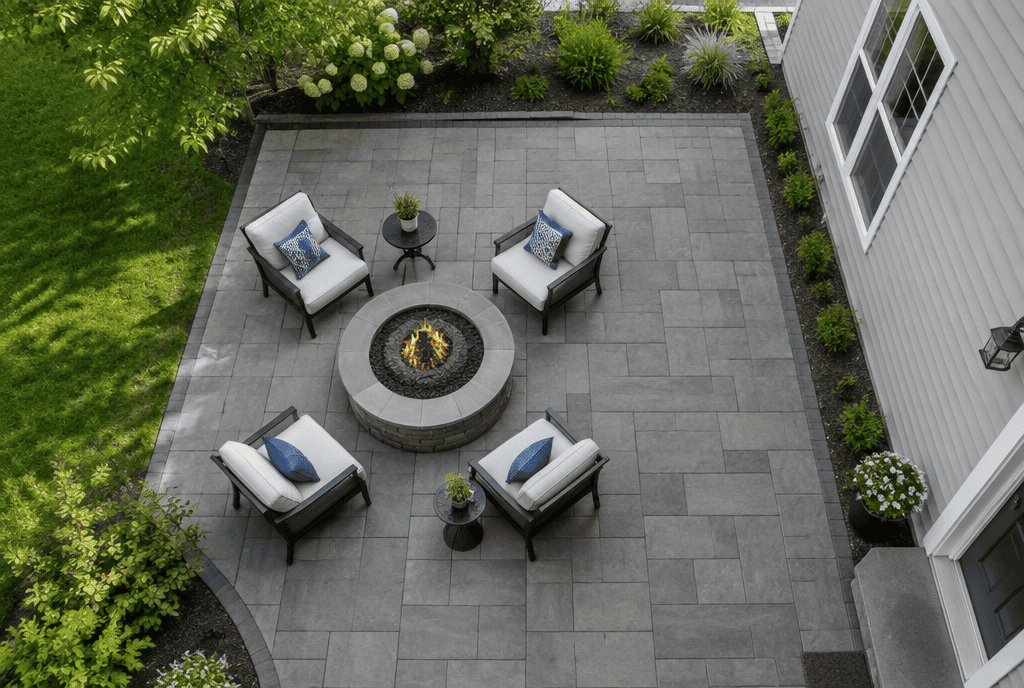
As a rule of thumb, leave at least 3 feet of clear space between the outer edge of the fire pit and any furniture, and don’t count the fire pit’s own footprint as part of your usable seating area — the heat radius pushes chairs back farther than most people expect on the first setup.
Fire Pit Safety, Clearance Rules & Local Permits
Most residential fire pits don’t require a permit if they’re under roughly 3–4 feet in diameter, portable or semi-permanent, and burning wood or propane rather than being plumbed into a natural gas line — but “most” isn’t “all,” and rules vary significantly by city and even by HOA. The standard safety clearance is at least 10 feet from your house, fences, overhanging branches, and any structure, though some local codes require more. Always place a fire pit on a non-combustible surface (stone, concrete, gravel) rather than directly on a wood deck or dry grass, and keep a hose or extinguisher within reach any time it’s lit. For the deck/patio-specific breakdown, see our clearance guide for decks and patios.
From experience: our wood-burning pit sat on a bed of sand and pea gravel — cheap, level, and nothing underneath to scorch. Our propane pit now sits right on an outdoor rug, because there’s no popping wood throwing sparks or embers off it (still check the clearance your unit lists for underneath). That difference is the whole reason propane is the easier choice on a deck or finished patio.
Renting or on a Balcony? Apartment Fire Pit Rules
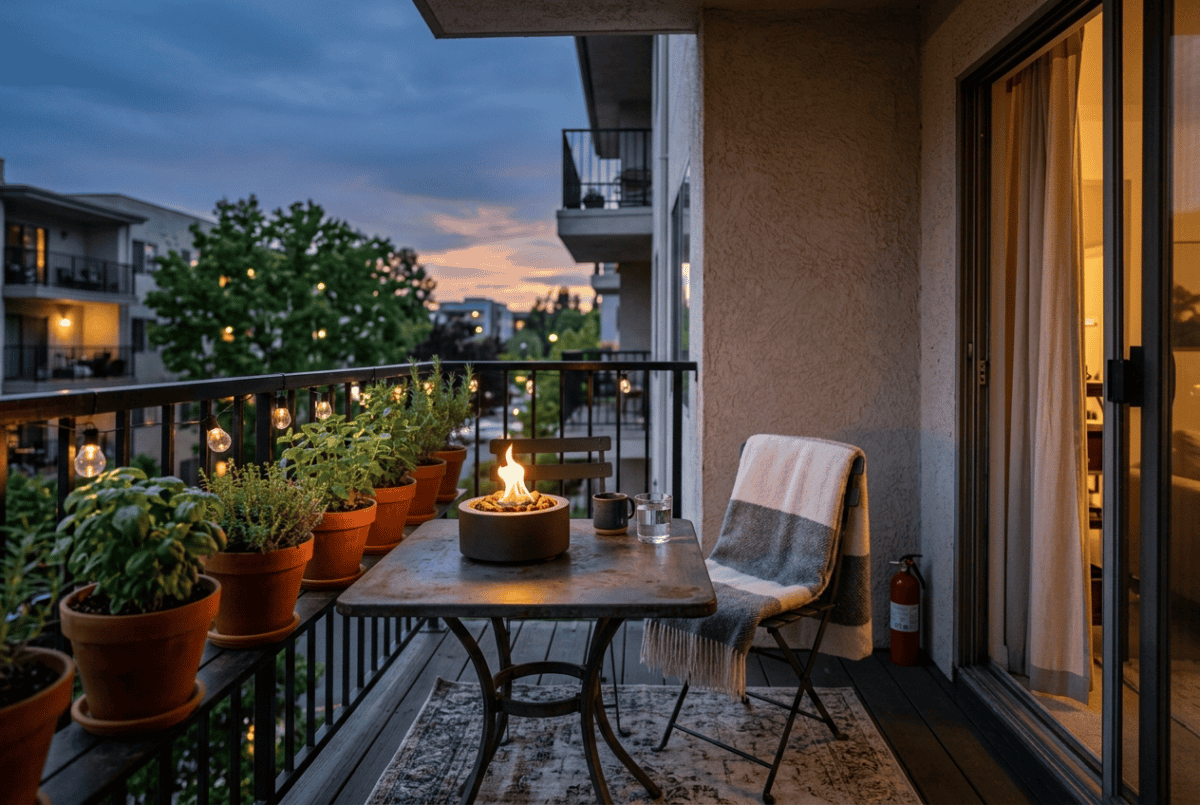
If you rent, the honest answer is: check your lease and your local fire code before buying anything, because this is the area with the most inconsistent rules in the whole fire pit category. Many leases flatly prohibit open-flame appliances on balconies regardless of what the fire code technically allows, and many cities separately ban wood-burning or any open flame above ground level entirely. Propane and electric fire pits/heaters are far more likely to be approved than wood, since they carry no ember or open-flame risk, but “far more likely” still isn’t “guaranteed” — get it in writing from your landlord or HOA before you buy, not after.
Smokeless Fire Pits & Solo Stove Alternatives
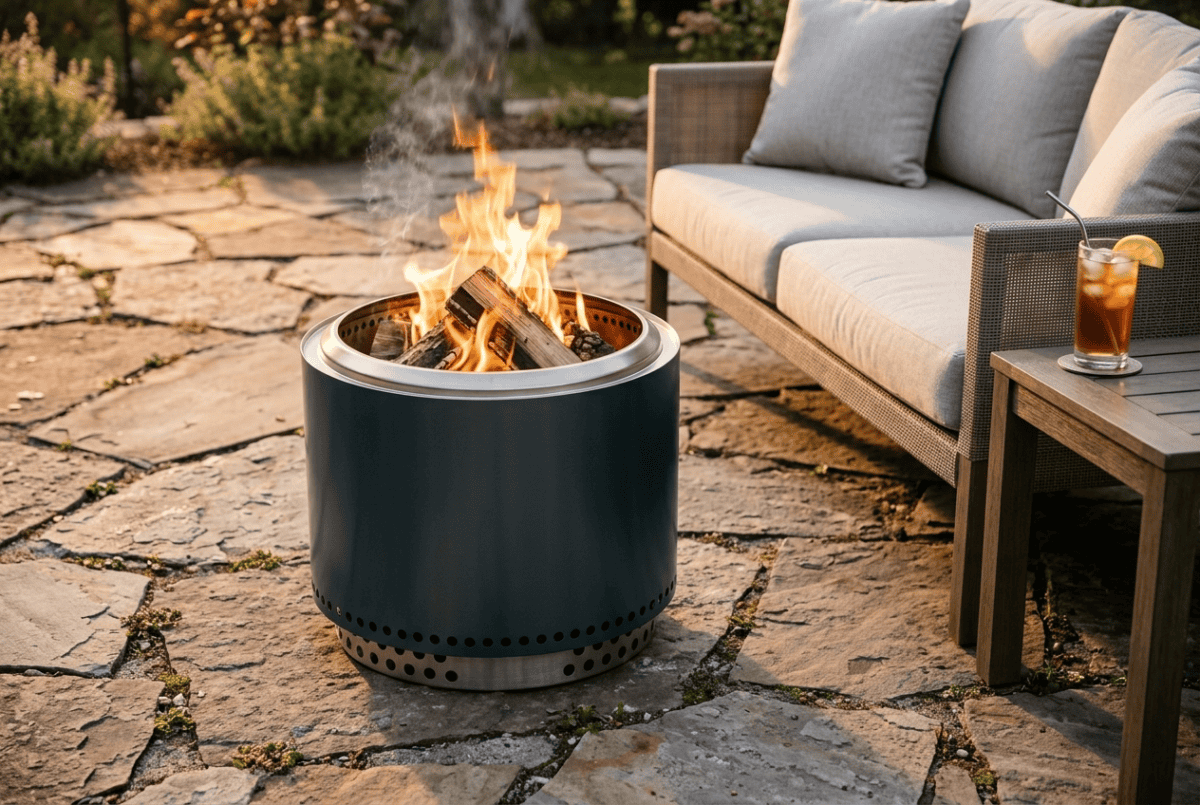
Smokeless (or “low-smoke”) fire pits use a double-wall design that recirculates air to burn more completely, cutting visible smoke dramatically compared to a traditional open pit — genuinely useful if you have close neighbors, live somewhere with periodic burn restrictions, or just don’t want to smell like a campfire afterward. The Solo Stove Bonfire (19.5-inch, with stand) popularized the category and still sets the benchmark at around $350, but it’s no longer the only serious option; see our tested picks for the best smokeless fire pits for direct comparisons at a range of price points.
Fire Pit vs. Chiminea: Which Is Right for You
A chiminea is a freestanding, enclosed clay or metal fireplace with a chimney, while a fire pit is open on top. Chimineas direct smoke upward and away from seating more effectively, which some people prefer, but they offer less usable heat radius and a less social, more single-focal-point feel than sitting around an open pit. If ambiance and group seating matter most, go with a fire pit; if smoke direction and a more compact footprint matter more, a chiminea is worth a look.
Essential Accessories & Cleaning/Maintenance Basics
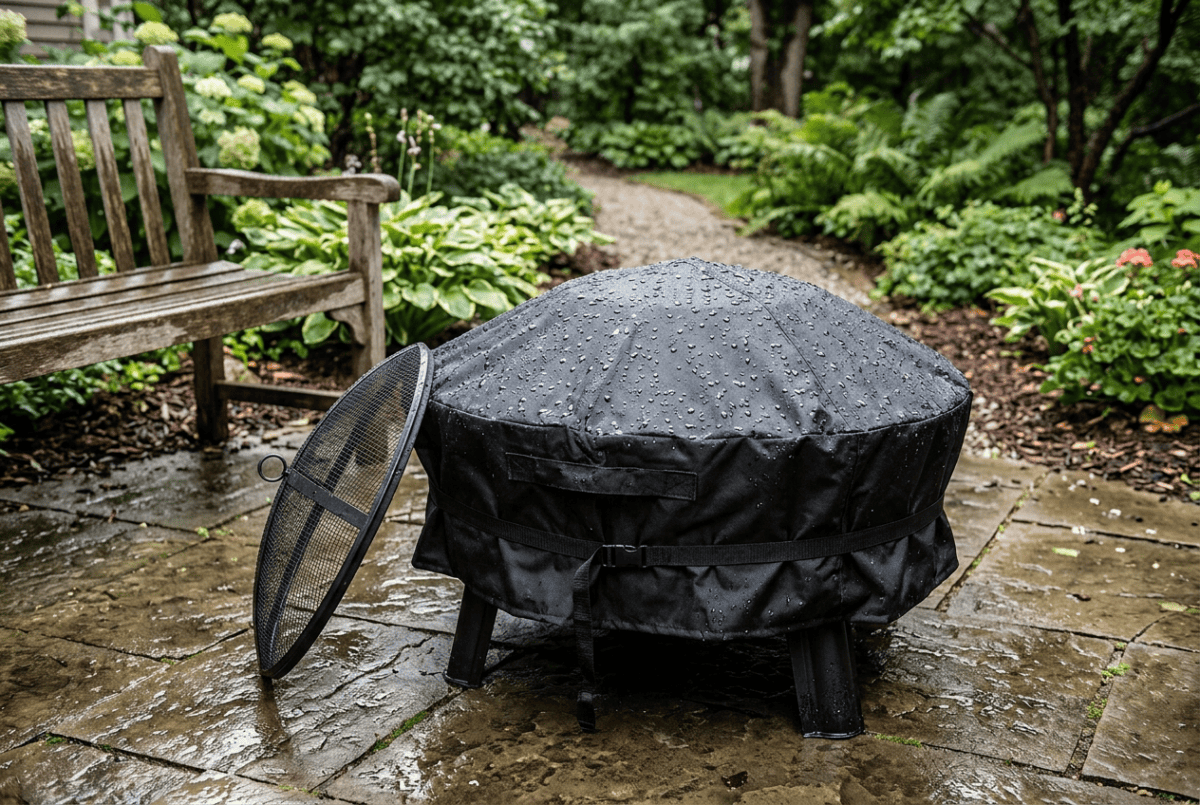
A few accessories make real ownership noticeably easier: a properly fitted weatherproof cover — something like the SHINESTAR round fire pit cover for 22–32 inch pits (600D fabric, about $20) — (the single most important accessory — it’s what actually prevents rust), a spark screen if you’re burning wood (the Sunnydaze 30-inch spark screen with access door is the sturdy pick for larger pits), a poker or tool set for managing logs, and a basic ash shovel for cleanout. For maintenance, empty ash and debris after each use once it’s fully cooled, wipe down the interior periodically, and apply a light coat of high-heat paint or rust-inhibiting spray to steel pits at the start of each season. Cast iron benefits from an occasional light oil coating, the same logic as seasoning a cast iron pan.
Explore More: Your Complete Fire Pit Guide Library
This pillar links to every fire pit article on the site — bookmark it as your starting point:
- Gas vs. Wood Fire Pit Comparison
- Can Propane Fire Pits Use Natural Gas?
- Are Fire Pits Safe on a Deck or Patio? (Clearance Guide)
- Best Smokeless Fire Pits 2026
- Fire Pit Table Buying Guide
- Fire Pit Table vs. Standalone Fire Pit
- Best Fire Pit Tables 2026
Frequently Asked Questions
Do I need a permit for a fire pit?
Usually not for a standard backyard model under about 4 feet wide, but larger, permanent, or natural-gas-plumbed units often do — check your city’s code before buying.
How far should a fire pit be from my house?
At least 10 feet from your home, fences, and overhanging branches is the standard safety clearance, though some local codes require more.
Can I have a fire pit on an apartment balcony?
Most leases and fire codes ban open-flame or wood-burning pits on balconies; ask your landlord specifically about approved propane or electric options before buying.
What’s the easiest fire pit fuel type for beginners?
Propane, since it lights at the push of a button with no smoke, ash, or wood-splitting involved.
Are smokeless fire pits worth the extra cost?
Yes, if you want real wood-fire ambiance without smoky clothes and hair afterward — the double-wall airflow design genuinely burns cleaner and hotter than a standard open pit.
Will Montgomery holds a degree in electro-mechanical engineering and runs his own business. That machine-design background is how he judges what is built well, what is overpriced, and what is safe before it gets recommended here — tested the hard way while building out two backyards on a budget.